Un siècle et demi de tradition Horlogère au service de la Marine Nationale.
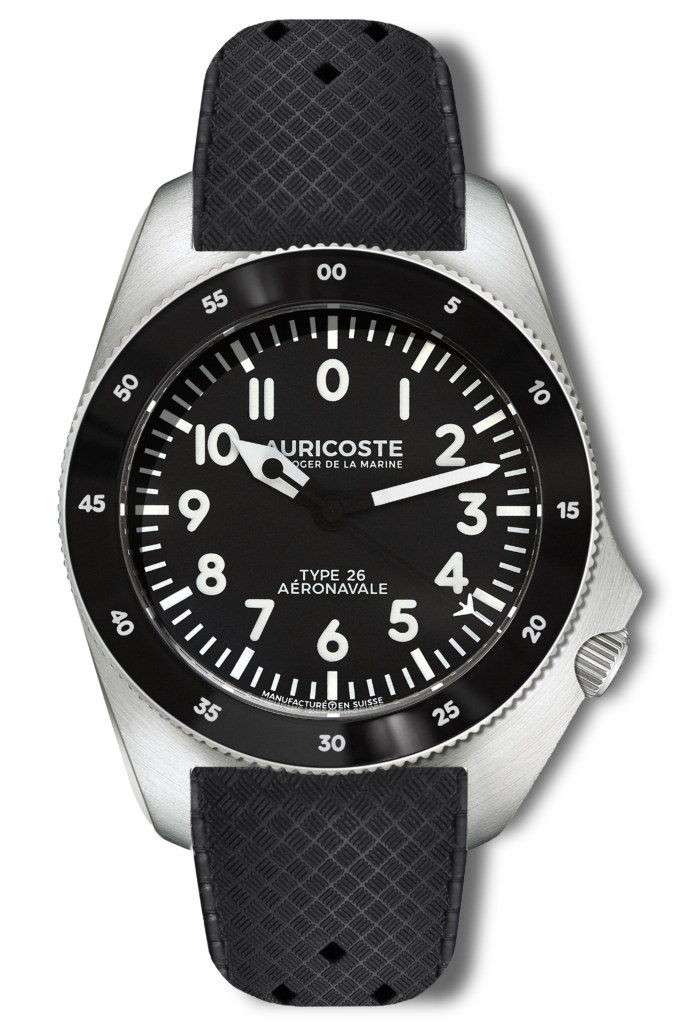
Depuis nos origines de 1854, Auricoste est intimement lié à la vie de l’aéronavale française. Son histoire lui confère un statut particulier dans l’univers horloger, où ses instruments de mesure sont considérés dans le monde entier.
Notre maison équipe toujours la majeure partie des bâtiments de la Marine Nationale, dont le Porte-Avions Charles-de-Gaulle.
Un siècle et demi de tradition Horlogère au service de la Marine Nationale.
Depuis nos origines de 1854, Auricoste est intimement lié à la vie de l’aéronavale française. Son histoire lui confère un statut particulier dans l’univers horloger, où ses instruments de mesure sont considérés dans le monde entier.
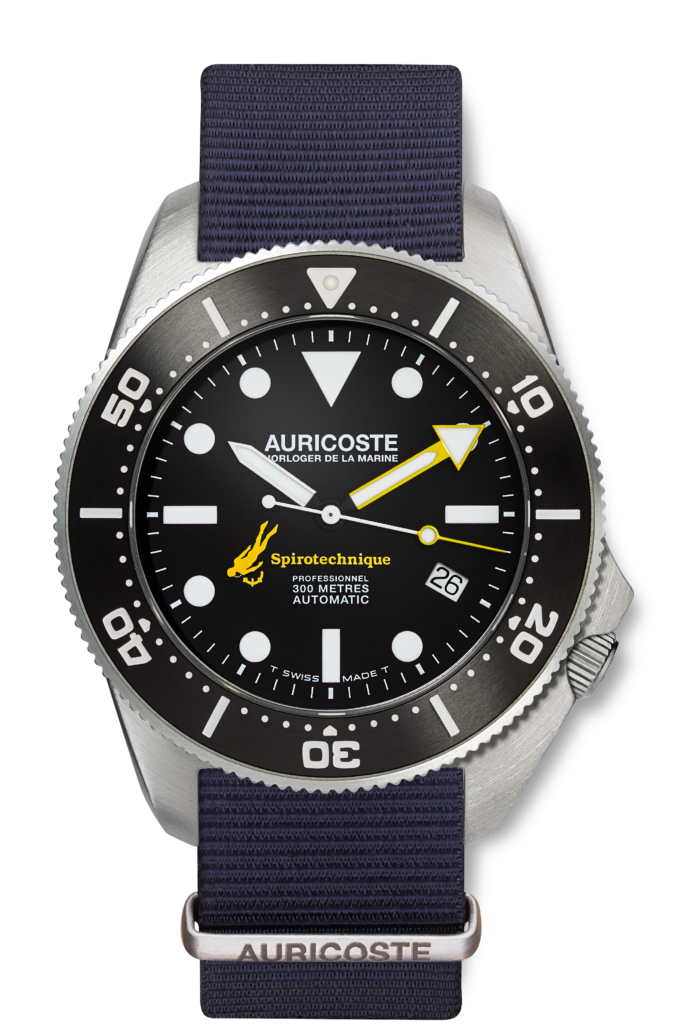
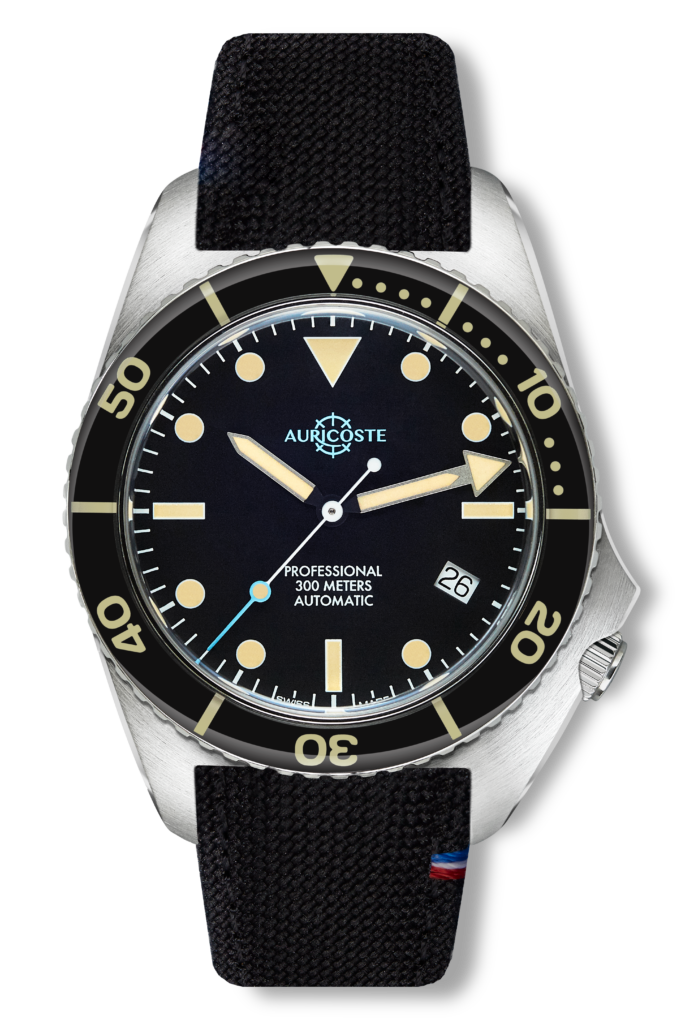
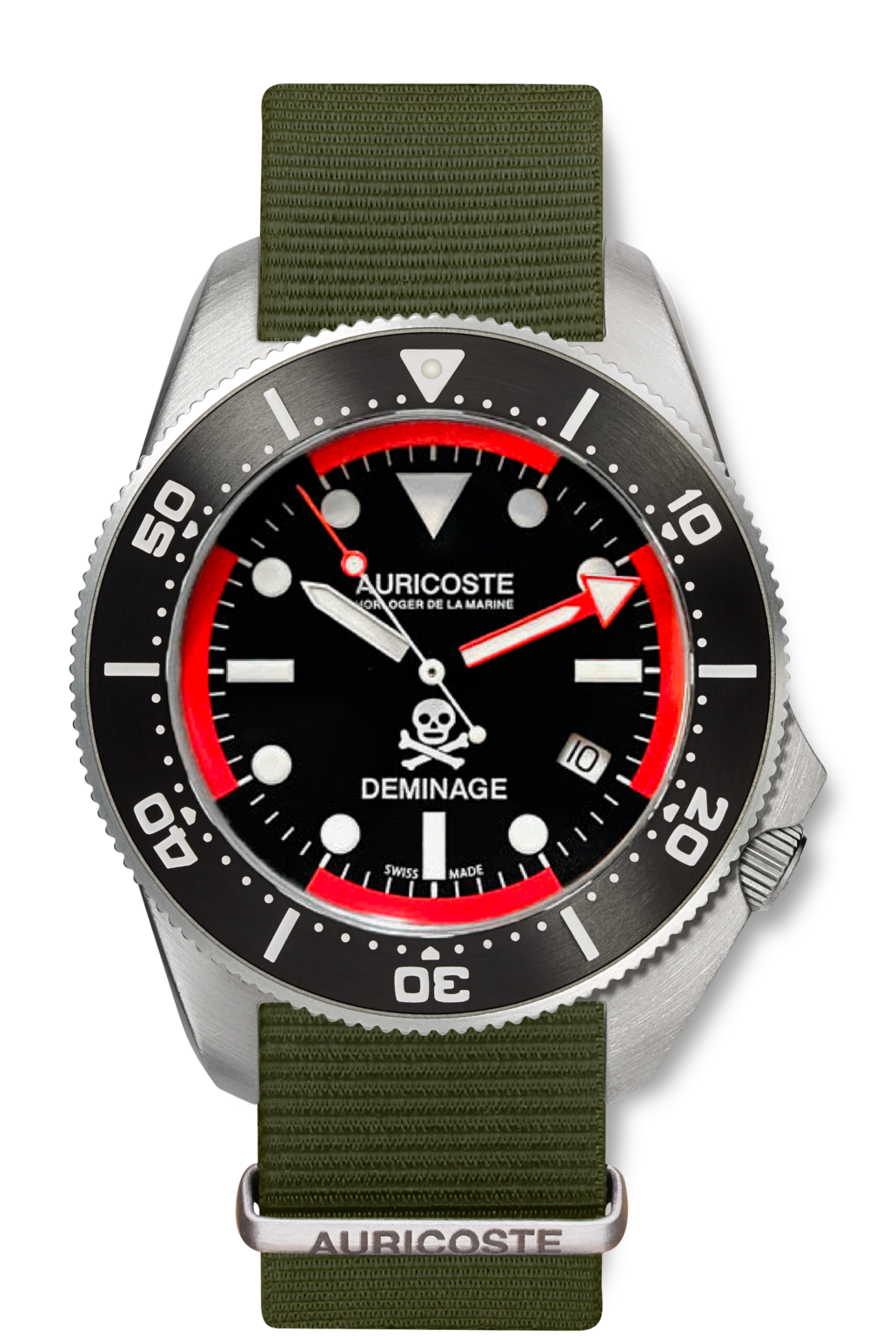
Robuste et fiable, notre montre de plongée est devenue légendaire après 20 ans d’utilisation par les FUSCO (Fusilier-Commando) des forces spéciales de la Marine Nationale.
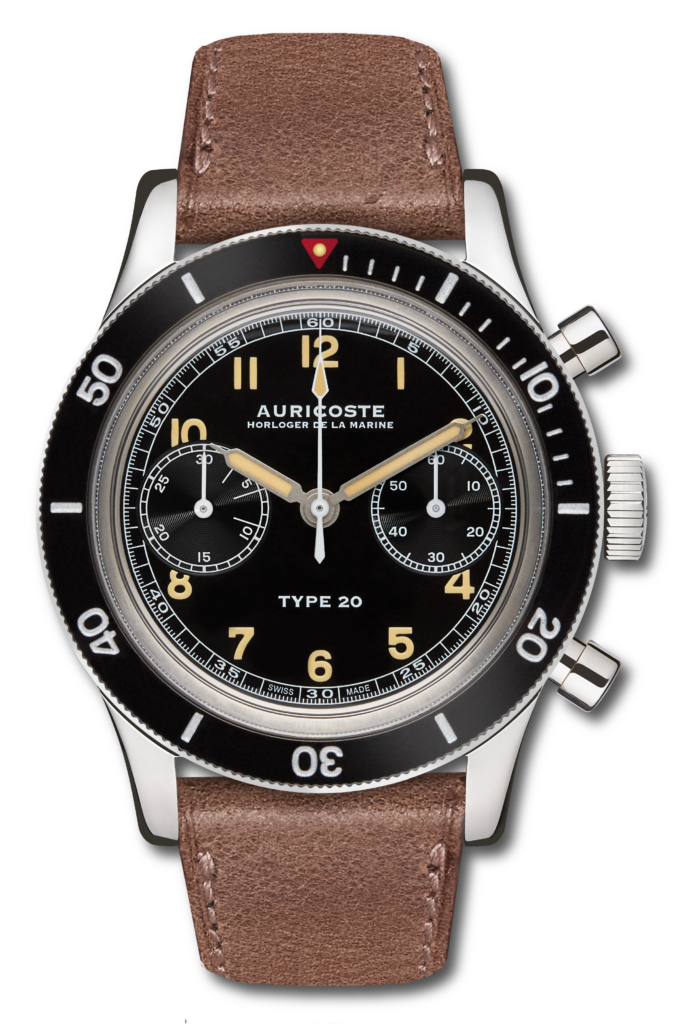
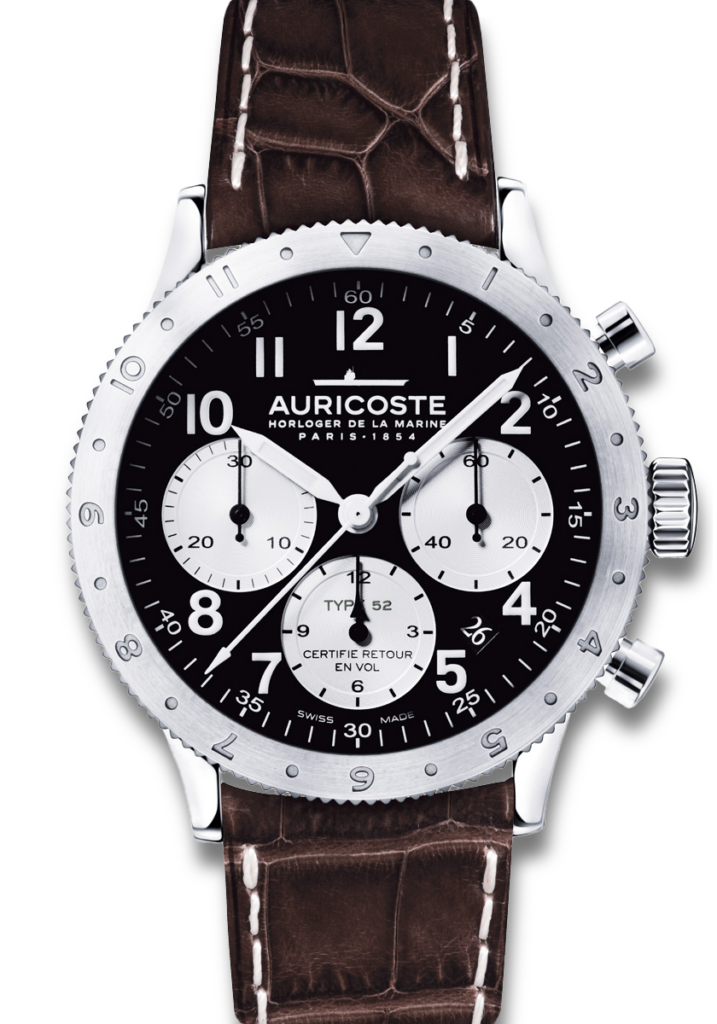
Collection limitée à 50 exemplaire, avec la fonction flyback, perpétuant la tradition de haute horlogerie de notre maison. Cette collection est composée de modèle bi & tri-compax.